















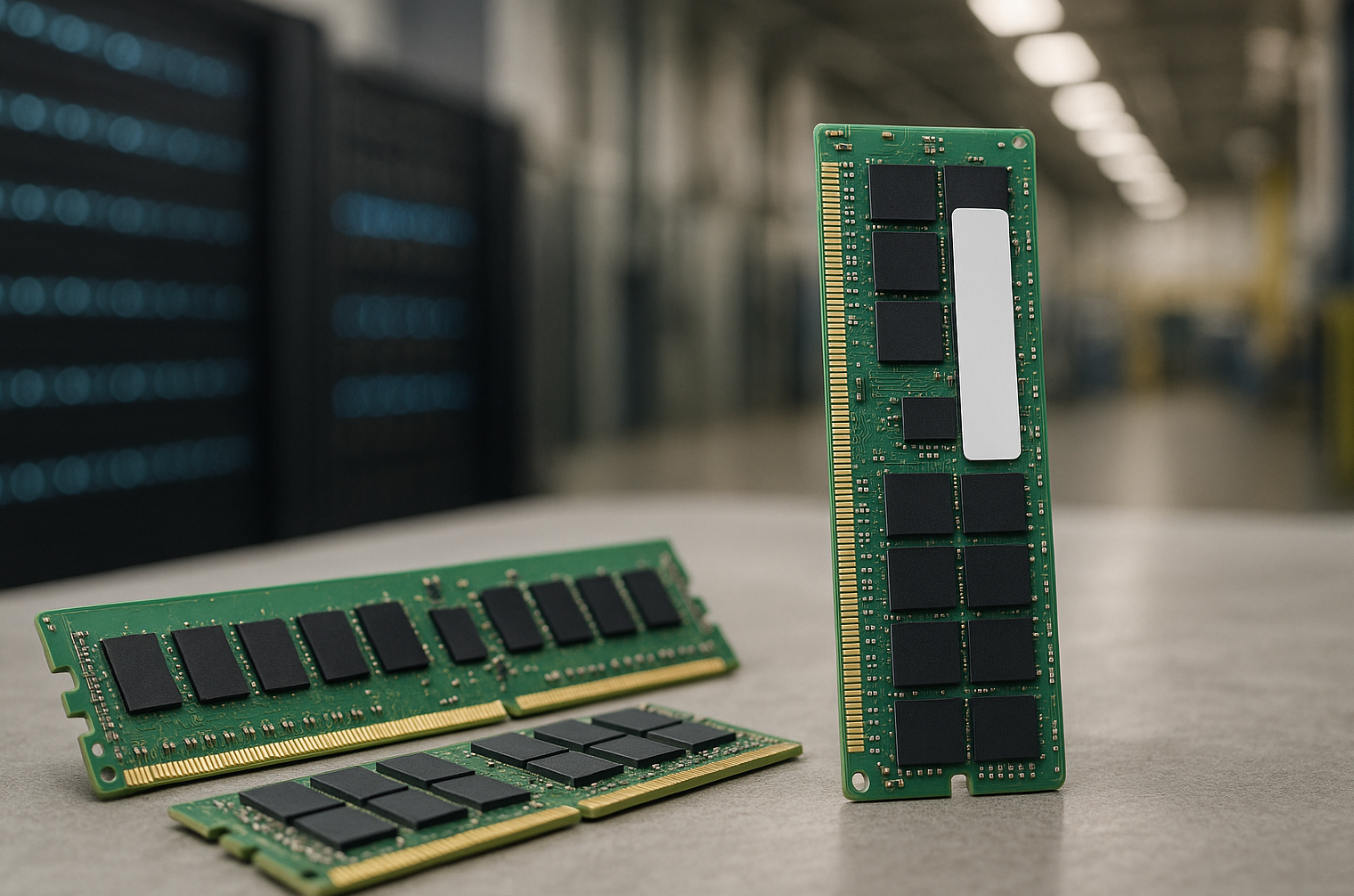
Ezyplugion.com – If you are planning to build a new PC or upgrade your laptop this year, you might have noticed a frustrating trend: global RAM (Random Access Memory) prices are steadily climbing. After a period of historic lows, the cost of both DDR4 and DDR5 memory modules is on the rise, impacting everyone from casual gamers to enterprise data centers.
But what is causing this sudden price hike? And more importantly, how can you navigate this market as a consumer? Here is an SEO-friendly breakdown of why RAM prices are going up and essential tech tips to help you save money.
The Core Reasons Behind the RAM Price Hike
The semiconductor market is highly cyclical, but the current price surge is driven by a unique combination of factors:
1. The Artificial Intelligence (AI) Boom
The explosion of Generative AI has created an insatiable demand for High Bandwidth Memory (HBM), which is crucial for AI accelerators like Nvidia’s GPUs. Major memory manufacturers (Samsung, SK Hynix, and Micron) are shifting their production lines to focus heavily on HBM because it is highly profitable. This massive shift reduces the manufacturing capacity for standard consumer PC and smartphone RAM, immediately shrinking the global supply.
2. Strategic Production Cuts
A year ago, the market experienced a massive oversupply of memory chips, causing prices to crash to record lows. To stabilize the market and stop losing money, the “Big Three” memory makers intentionally slashed their production output. Now that the excess inventory has finally cleared, the reduced production rate is naturally driving prices back up to profitable levels.
3. Supply Chain and Geopolitical Disruptions
The semiconductor supply chain is incredibly fragile. Natural disasters, such as earthquakes in major chip-manufacturing hubs like Taiwan, or geopolitical tensions can disrupt the production and shipping of silicon wafers. Even minor delays can cause panic buying and inflate global pricing.
Essential Tech Tips: How to Survive the RAM Price Hike
If you need memory right now, don’t panic. Here are some smart tech tips to help you get the best deal despite the rising costs:
Tip 1: Buy What You Need, Not What You Want
It is tempting to future-proof your PC with 64GB of RAM, but realistically, most gamers and everyday users only need 16GB to 32GB. Don’t overspend on capacity you won’t utilize. Stick to the “sweet spot” of 32GB for modern gaming, video editing, and heavy multitasking.
Tip 2: DDR4 is Still a Great Budget Option
If you are building a budget or mid-range PC, you don’t have to jump to the newer DDR5 standard. Many modern processors still support DDR4 motherboards. DDR4 memory is currently much cheaper than DDR5 and offers plenty of performance for 1080p and 1440p gaming.
Tip 3: Explore the Used Market Safely
RAM is one of the safest PC components to buy used because it has no moving parts and rarely fails unless physically damaged or heavily overclocked. Check reputable second-hand marketplaces, but always ensure the seller offers a return policy or can provide a video proving the sticks work perfectly.
Tip 4: Track Price Histories
Never buy RAM at retail price without checking its price history. Use browser extensions like CamelCamelCamel (for Amazon) or local e-commerce price-tracking tools to see if the current “discount” is actually a good deal. Sometimes prices are artificially inflated just before major sales events.
Conclusion
The rise in global RAM prices is a classic case of supply and demand, heavily fueled by the AI revolution and strategic corporate decisions. While the era of dirt-cheap memory might be paused for now, being a smart shopper and understanding exactly what your PC needs will ensure you don’t overpay for your next upgrade.