













Technological advancements have not only changed the way people work and communicate, but have also revolutionized the world of healthcare. As we enter 2026, various new innovations are emerging, having a significant impact on how people maintain their health, make diagnoses, and receive medical treatment.
From artificial intelligence (AI) to smart health devices, technology is now making healthcare faster, more accurate, and more accessible. Here are 7 health technology innovations predicted to reshape human well-being in 2026.
1. Artificial Intelligence for Medical Diagnosis
Artificial Intelligence (AI) is increasingly being used in the medical world. This technology can analyze large amounts of health data to help doctors detect diseases more quickly.
Some AI systems are already being used to:
- detect cancer in its early stages
- read radiology and CT scan results
- analyze patient disease patterns
With the help of AI, the diagnosis process is faster and more accurate than conventional methods.
2. Increasingly Sophisticated Wearable Health Devices
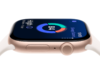
Wearable devices such as smartwatches and fitness trackers are now used not only to count steps or measure heart rate.
By 2026, these devices are expected to be able to integrate various health indicators such as:
- blood oxygen levels
- sleep quality
- stress levels
- heart problems
This technology allows users to monitor their health in real time without having to go to the hospital.
3. Telemedicine is Becoming More Widely Used
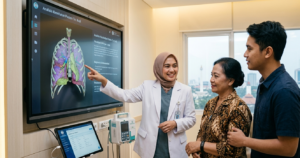
Telemedicine, or online doctor consultation services, has become increasingly popular in recent years. This technology allows patients to consult with a doctor from home via video call or health apps.
The advantages of telemedicine include:
- Saving time
- Facilitating access to healthcare services
- Helping patients in remote areas
By 2026, this service is expected to become an essential part of the global healthcare system.
4. Medical Robots for High-Precision Surgery
Surgical robots are increasingly used in modern hospitals. This technology helps doctors perform surgeries with a very high level of precision.
Some of the benefits of using medical robots include:
- Smaller surgical incisions
- Lower risk of complications
- Faster patient recovery times
This technology is expected to continue to develop and be widely used in various types of surgery.
5. Genomic Technology and Personalized Medicine
Developments in genomic technology allow doctors to analyze a person’s DNA to understand their risk of developing diseases.
With this information, doctors can provide more personalized treatment tailored to the patient’s genetic makeup.
This approach, known as precision medicine, is predicted to influence the future of healthcare.
6. AI-Based Health Apps
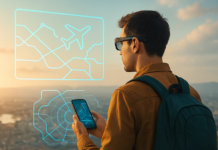
AI-based health apps are becoming increasingly popular on smartphones. These apps can assist users in various ways, such as:
- monitoring diet
- organizing exercise schedules
- providing health advice
- detecting early symptoms of disease
This technology makes it easier for people to manage their health independently.
7. Virtual Reality Technology for Therapy
Virtual Reality (VR) is not only used for entertainment or gaming. In the medical world, this technology is beginning to be used for various therapies, such as:
- therapy for anxiety disorders
- physical rehabilitation
- treatment for psychological trauma
VR helps patients undergo therapy in a more interactive and effective way.
Healthcare technology continues to develop rapidly. By 2026, various innovations such as medical AI, wearable devices, telemedicine, and even surgical robots are predicted to play a major role in improving the quality of human life.
With these technologies, healthcare services will become more accessible, more accurate, and more personalized. The future of medicine appears to be increasingly connected with advanced technologies that help people live healthier and longer lives.