














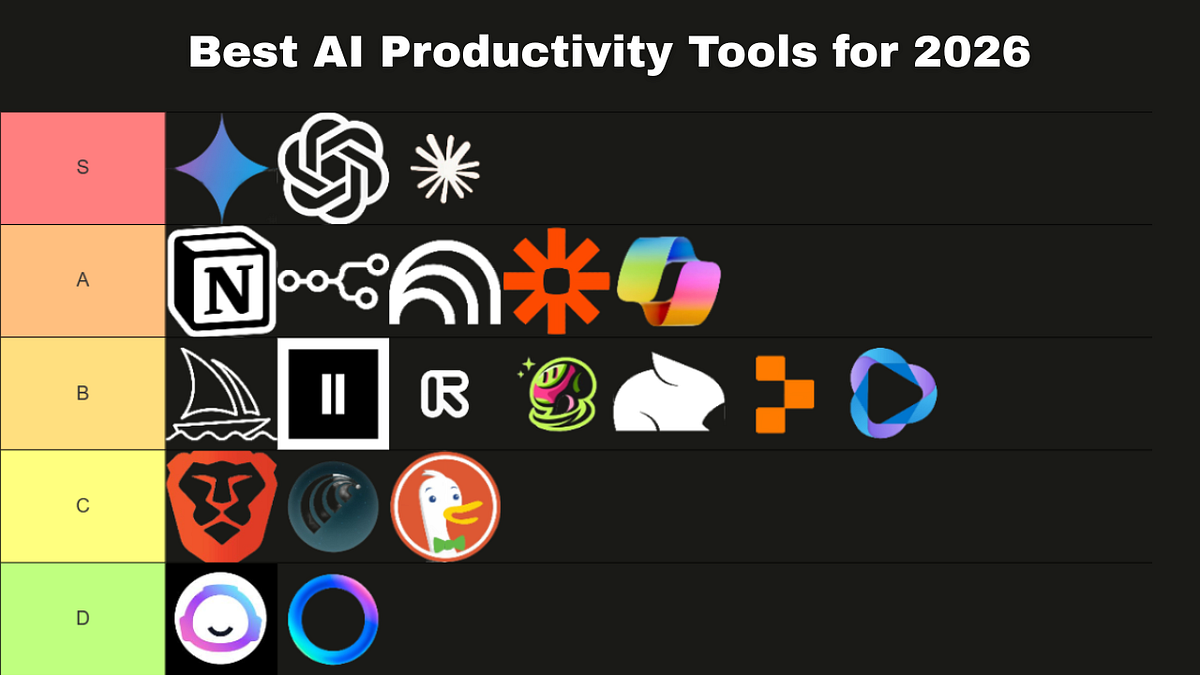
Artificial intelligence (AI) continues to be a major topic in the world of information technology (IT). However, a recent report from Auvik revealed a surprising fact: despite high optimism, AI adoption in real operations remains very low.
In the IT trends report, nearly 70 percent of respondents said they were optimistic about the impact of AI in the near future. However, only 5 percent stated that AI is currently a core part of their IT operations.

High Optimism, Lagging Implementation
This gap between expectations and reality is a major concern. Many organizations appear enthusiastic about the potential of AI, but are not yet ready to fully integrate it.
Auvik CEO Doug Murray calls this phenomenon an implementation issue, not just a policy one.
“AI is ubiquitous in IT conversations, but our data shows that enthusiasm far outstrips readiness,” he said.

AI Policy Remains Unclear
One major obstacle is the lack of maturity in AI policies. Around 40 percent of respondents stated that their companies do not yet have an AI policy or that it is still in the development stage.
Interestingly, there is a significant difference in perception between leaders and employees. While 76 percent of IT leaders feel their organizations have an AI policy in place, only 42 percent of frontline staff feel the same.
This indicates a communication and implementation gap within organizations.
Time, Human Resources, and Budget Constraints
In addition to policy, operational factors also pose obstacles. Approximately:
- 48 percent cited a lack of time
- 33 percent complained about limited IT staff
- 30 percent cited budget as a constraint
In fact, almost 49 percent of respondents admitted they didn’t have enough time to optimally adopt AI.
The pressure for efficiency amidst limited resources has led many companies to delay the implementation of this new technology.
Shadow IT Becomes a Real Threat
The report also highlights the growing risk of shadow IT, which is the use of applications or systems without official company approval.
61 percent of respondents reported encountering unauthorized SaaS applications at least monthly. In fact:
- 23 percent encounter them weekly
8 percent are unaware of the number of applications in use - 20 percent of MSP respondents considered shadow IT the most underestimated risk by business leaders.
According to Auvik, without clear AI governance, this technology has the potential to exacerbate the shadow IT problem.
Changing Work Patterns: Hybrid is Becoming Abandoned
In addition to AI, the report also notes changing trends in work patterns. The hybrid work model is becoming obsolete, with companies shifting to two primary approaches: full-time in-office work or remote work.
The proportion of companies prioritizing in-office work increased from 37 percent in 2025 to 51 percent in 2026. Meanwhile, the 50/50 hybrid model dropped dramatically from 35 percent to 25 percent.
The Auvik report emphasizes that while AI is in the spotlight, its implementation is far from mature. The gap between vision and execution is a key challenge that must be addressed immediately.
Without clear policies, adequate resources, and strong governance, AI risks becoming just another trend—or even adding new problems to the IT ecosystem.
Now, the biggest challenge for companies is no longer understanding AI, but how to use it effectively and purposefully in daily operations.