











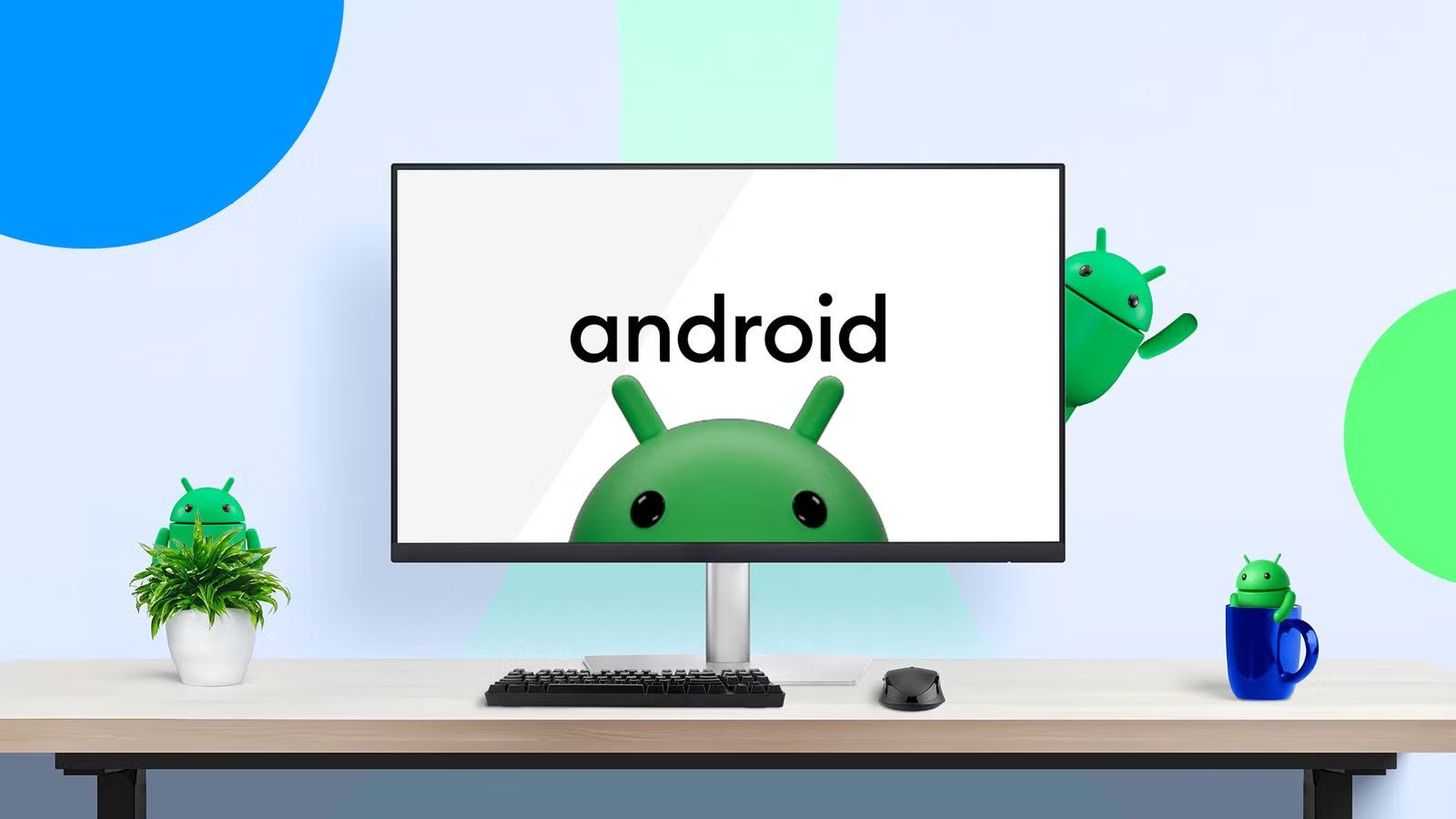
Ezyplugion – The idea of an Android-based desktop computer is no longer just an experiment. Recent developments show that this platform is increasingly poised to become a serious alternative to Windows and macOS. With its combination of integration, efficiency, and mobile ecosystem integration, the Android desktop has the potential to usher in a new way of working and enjoying entertainment.
While it may sound unusual, this concept actually makes sense—especially in an era where the boundaries between mobile and desktop devices are increasingly blurring.
Combining Mobile and Desktop in One Platform
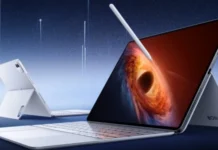
Android has long been known as an operating system for smartphones and tablets. However, with support for large screens, keyboards, and mice, Android is beginning to evolve into a system capable of delivering a desktop-like experience.
Some manufacturers have even developed desktop modes (such as Samsung DeX), which allow the interface to transform for more productivity when connected to a monitor. A “native” Android desktop will take this concept even further, fully optimizing it for computer use.
This means users can run their favorite Android apps in a larger, more comfortable display, without relying on a traditional operating system.
Huge Potential for Productivity and Entertainment
One of the main attractions of the Android desktop is its efficiency. The system is relatively lightweight compared to conventional desktop OSes, allowing it to run well even on devices with mid-range specifications.
For productivity, applications like Google Docs, the Android version of Microsoft 365, and various creative tools are already well-suited for everyday needs. Furthermore, with improved multitasking support, the work experience can feel more flexible.
On the entertainment side, Android has the advantage of access to millions of apps and games on the Google Play Store. This makes the Android desktop a complete entertainment hub, from streaming to casual gaming.
Challenges Remaining to Be Overcome
Despite its promise, the Android desktop still faces several challenges. One of the main ones is application optimization. Not all Android apps are designed for large screens or use with a mouse and keyboard.
Furthermore, support for professional software—such as heavy editing or software development applications—is still stronger on Windows and macOS. This is a crucial factor for professional users.
However, with increasing support from developers and vendors, this gap is slowly beginning to narrow.
A More Open Computing Future
The arrival of the Android desktop could be a major step towards more open and affordable computing. With lower device costs and a broad application ecosystem, this platform has the potential to attract new users, especially in emerging markets.
Moreover, the Android desktop also reflects the direction the technology industry is heading: the convergence of mobile and desktop. Users no longer have to switch between ecosystems, but can instead enjoy a unified experience within a single platform.
The Android-based desktop is not yet fully mature, but its potential is hard to ignore. With its combination of simplicity, efficiency, and broad application access, this platform could be an attractive alternative in the future.
If developers and manufacturers can overcome these challenges, it’s possible that the Android desktop will become an essential part of the digital lifestyle—not just a complement, but a real competitor to traditional desktop operating systems.