













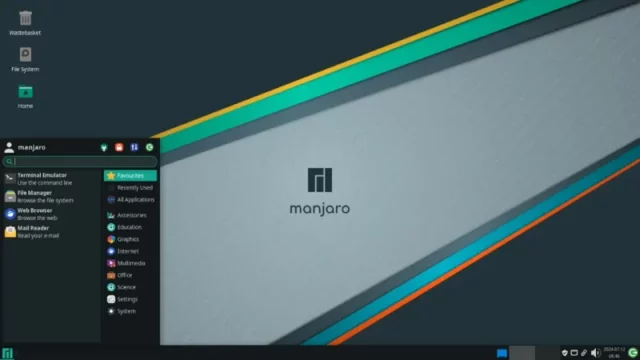
Amid the growing demand for lightweight, secure, and license-free operating systems, many users are starting to look to Linux as an alternative to Windows 11. In fact, some Linux distributions are now being touted as the “perfect replacement.” But is this claim realistic?
The answer: it’s close, but not entirely without compromise.
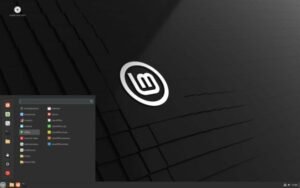
One of the distros most frequently discussed is Linux Mint. This Ubuntu-based distro is known for its familiar appearance, even resembling Windows at a glance. For new users, adaptation is relatively quick because the desktop layout, menus, and navigation feel familiar.
Linux Mint uses the lightweight yet modern Cinnamon desktop environment. Its performance is stable, even on devices with mid- to low-end specifications. This is a major advantage over Windows 11, which tends to be heavier and has many system requirements.
Besides Mint, there’s also Zorin OS, specifically designed for Windows users. Zorin even offers a customizable interface that resembles Windows 11, Windows 10, and macOS. This makes the transition smoother, especially for non-technical users.
In terms of performance, Linux excels in efficiency. It boots faster, uses less RAM, and has minimal unnecessary background applications. For everyday use, such as browsing, document processing, and multimedia, Linux is more than adequate.
However, the biggest challenge remains software compatibility. Some popular applications, like the full version of Microsoft Office, Adobe Photoshop, or certain Windows-based software, still don’t run natively on Linux. While there are alternatives like LibreOffice or GIMP, they aren’t suitable for all users.
On the other hand, for developers or technical users, Linux is superior. Its support for programming tools, powerful terminal, and system flexibility make it a top choice in the software development world.
In terms of security, Linux also has an excellent reputation. The risk of viruses is much lower than Windows, and its permissions system makes it difficult for malware to spread. This is a major plus, especially for long-term use.
So, can Linux completely replace Windows 11?
For most users—especially those focused on light to moderate productivity—the answer is yes, almost perfectly.
However, for specific needs, such as certain professional software or Windows-based gaming, there are still some limitations to consider.
Conclusion
Linux Mint and Zorin OS are currently the two strongest candidates to replace Windows 11. Both offer lightweight performance, a familiar interface, and an increasingly user-friendly experience.
If your needs don’t rely on Windows-exclusive software, switching to Linux in 2026 isn’t a difficult decision—it could even be the best decision.