
















Ezyplugion.com – Artificial Intelligence (AI) is no longer a futuristic concept from sci-fi movies; it’s rapidly transforming how we work today. From automating mundane tasks to generating creative content, the integration of AI in the workplace is accelerating. For professionals in every industry, understanding this shift is crucial for staying competitive.
Let’s explore how AI is changing the landscape of work and what it means for your career.
How AI is Transforming Daily Work
AI is not here to replace workers, but rather to augment their capabilities. Here are some of the key ways AI is already making an impact:
1. Automation of Repetitive Tasks
One of the most immediate benefits of AI is its ability to handle repetitive, time-consuming tasks. Data entry, scheduling, basic customer service (via chatbots), and sorting emails can now be managed efficiently by AI-powered tools. This frees up human workers to focus on more complex, strategic, and creative work.
2. Enhanced Data Analysis
Businesses generate massive amounts of data daily. AI algorithms can analyze these vast datasets much faster and more accurately than humans. This enables companies to identify trends, forecast market changes, and make data-driven decisions with unprecedented speed.
3. Boosting Creativity and Content Generation
Generative AI tools, like ChatGPT, Midjourney, and others, have revolutionized content creation. While they don’t replace human creativity, they serve as powerful brainstorming tools. They can draft emails, write code snippets, generate marketing copy, and even create visual assets, significantly speeding up the creative process.
4. Improved Recruitment and HR
Human Resources departments are increasingly utilizing AI to streamline the hiring process. AI can scan thousands of resumes in seconds to find the best-matched candidates, and even conduct initial screening interviews, reducing the time-to-hire and helping to eliminate unconscious bias in the early stages.
The Skills Needed in an AI-Driven World
As AI becomes more prevalent, the skills valued by employers are shifting. To thrive in the AI era, professionals should focus on developing:
- Adaptability and Lifelong Learning: The technology is changing rapidly. The ability to learn new tools quickly and adapt to changing workflows is the most important skill you can have.
- Critical Thinking and Problem Solving: AI can provide data and suggestions, but humans are needed to interpret that information critically, understand the context, and solve complex, nuanced problems.
- Emotional Intelligence (EQ): Machines cannot replicate human empathy, leadership, and complex communication. Roles requiring high EQ, such as management, coaching, and strategic partnerships, will become increasingly vital.
- Basic AI Literacy: You don’t need to be a programmer, but understanding how AI works, its limitations, and how to effectively use AI tools (like prompt engineering) is becoming a fundamental requirement.
Addressing the Fear: Will AI Steal Jobs?
The fear of job displacement is common whenever a new disruptive technology emerges. While AI will automate certain roles, history shows that technology also creates new ones. The transition may be challenging, but it will likely lead to a redefinition of roles rather than a complete elimination of human workers.
The focus will shift from doing the tasks to managing the AI tools that do the tasks.
Conclusion
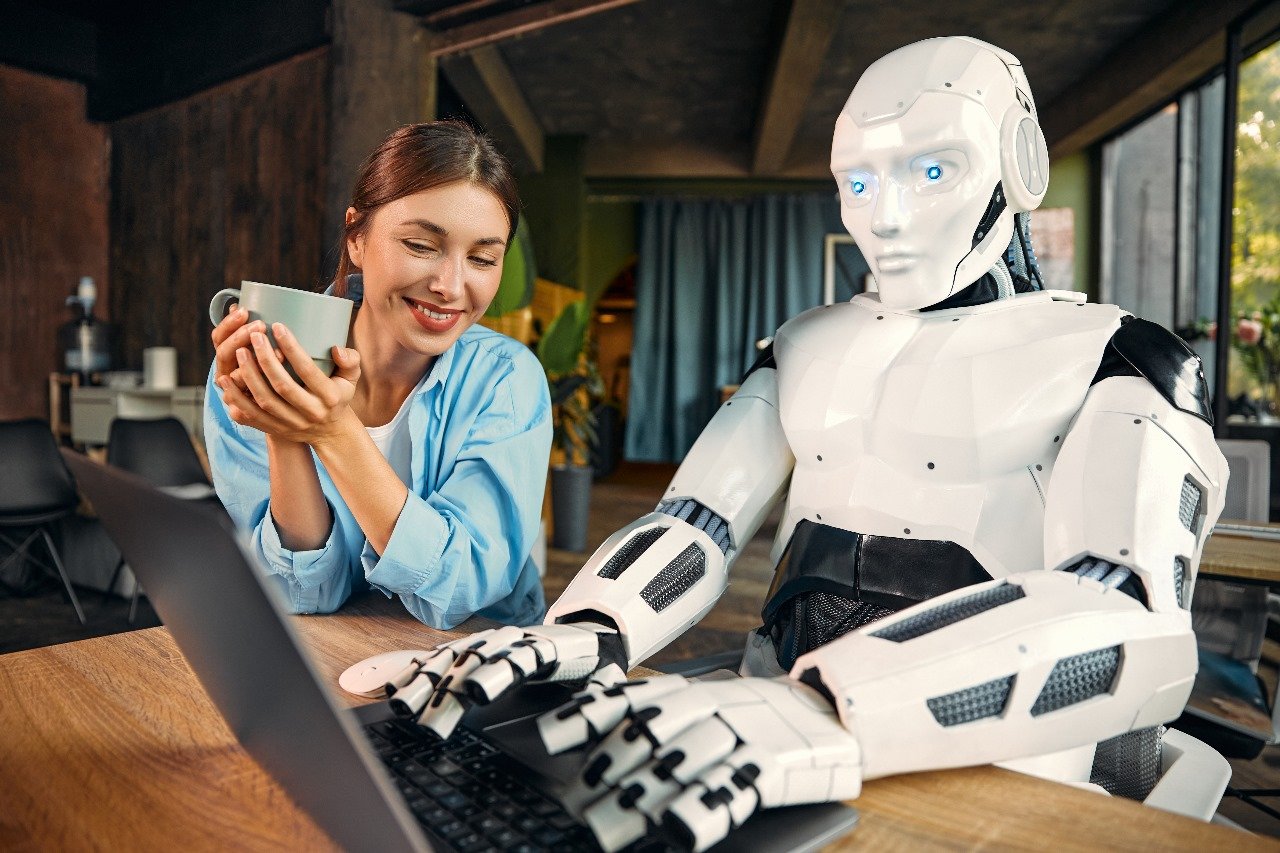
The integration of AI in the workplace is not a passing trend; it is a fundamental shift in how business is conducted. By understanding how AI is being used and actively developing skills that complement this technology, professionals can not only survive but thrive in the future of work. Embracing AI as a collaborator rather than a competitor is the key to unlocking new levels of productivity and innovation.
Organizations that invest in comprehensive training programs to help their employees understand and work effectively with AI in the workplace will gain a significant competitive advantage. This includes not only technical training but also change management support to help teams adapt to new workflows and processes.
The transition to an AI-driven workplace is an ongoing process. Companies must continuously assess how AI in the workplace is impacting their operations and employee satisfaction. Regular feedback sessions, skills assessments, and iterative improvements to AI implementation strategies will ensure that organizations maximize the benefits while minimizing potential challenges. The success of AI in the workplace ultimately depends on how well organizations balance technology adoption with human-centered workplace practices, ensuring that employees feel valued and supported throughout the transformation journey.