















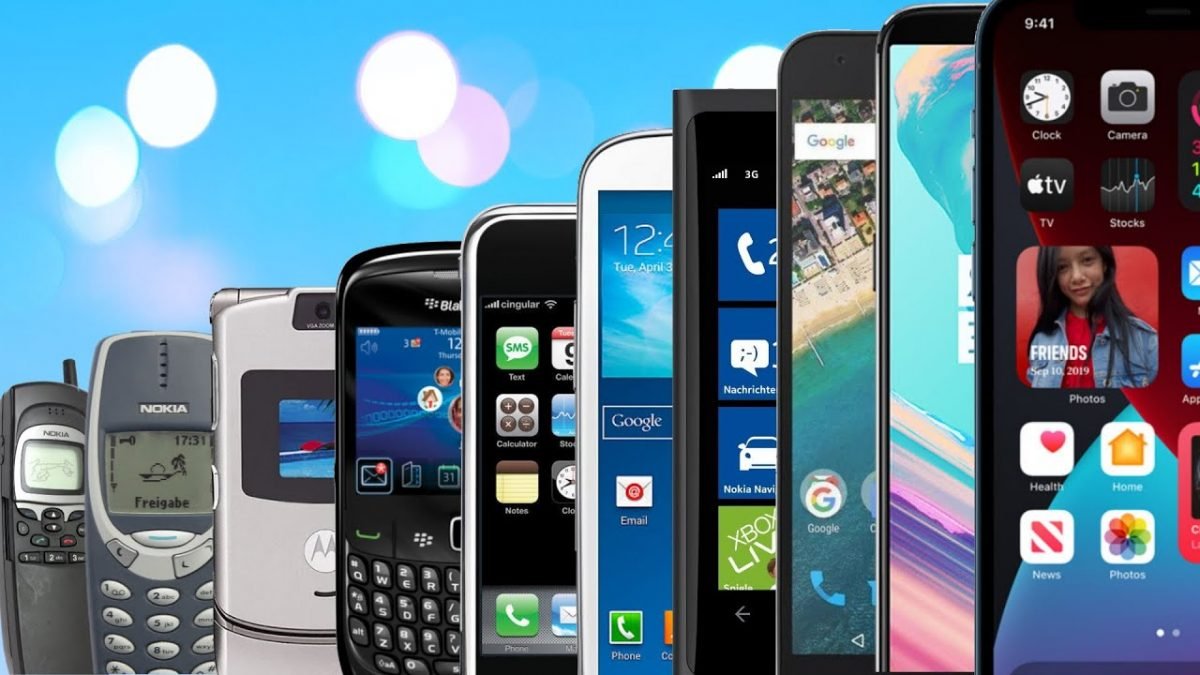
Ezyplugion.com – The smartphone has become an indispensable part of modern life. It’s hard to imagine a time before we had the world’s information, communication tools, and endless entertainment in our pockets. However, the journey to the sleek, powerful devices we use today was filled with rapid innovation and paradigm-shifting technology.
The Turning Point: The Touchscreen Revolution
The true smartphone revolution began in 2007 with the introduction of the first iPhone by Apple. This device completely changed the way we interacted with our phones.
- Multi-Touch Interface: It replaced the physical keyboard with a large, responsive multi-touch screen, allowing users to pinch, swipe, and zoom.
- The App Store: The subsequent launch of the App Store created a new ecosystem, allowing third-party developers to create applications for almost everything.
- A Full Internet Experience: Instead of restricted mobile web portals, the iPhone offered a more desktop-like internet browsing experience.
Shortly after, Google introduced the Android operating system, creating an open-source platform that allowed numerous manufacturers to build their own smartphones. This competition drove down prices and accelerated innovation.
The Era of Constant Connectivity and High-End Specs
As the 2010s progressed, smartphones evolved from mere communication tools into powerful pocket computers. Key advancements during this period included:
- Better Cameras: The smartphone camera began to rival point-and-shoot digital cameras. Features like multiple lenses, optical image stabilization, and computational photography became standard.
- Faster Networks: The shift from 3G to 4G LTE enabled high-quality video streaming, fast downloads, and real-time multiplayer gaming.
- Biometrics: Fingerprint sensors and facial recognition made devices more secure and easier to unlock.
During this time, the “phablet” (phone-tablet) trend emerged, pushing screen sizes larger and larger to accommodate media consumption and more complex apps.
The Present and the Future: What’s Next?
Today’s smartphones are incredibly sophisticated. We are currently seeing the adoption of 5G networks, providing even faster speeds and lower latency.
Looking ahead, several trends are shaping the future of the smartphone:
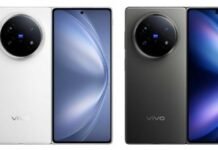
- Foldable Screens: Devices like the Samsung Galaxy Z Fold have introduced flexible displays, offering tablet-sized screens that fold into a standard phone form factor.
- Artificial Intelligence (AI): AI is being deeply integrated into smartphones, powering everything from advanced voice assistants and real-time translation to smarter battery management and photo editing.
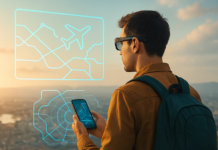
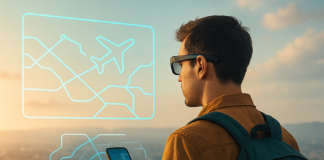
- Augmented Reality (AR): With better sensors and processing power, smartphones are becoming the primary gateway to AR experiences, overlaying digital information onto the real world.
The smartphone has evolved from a simple communication device into a central hub for our daily lives. As technology continues to advance, the smartphone will undoubtedly become even more deeply integrated into how we work, play, and connect with the world around us.