











US visa guide: Ezyplugion.com – Applying for a United States visa is often viewed as a complex and stressful process. However, in today’s digital age, the entire application landscape has moved online. By leveraging the right technology and understanding digital security, you can significantly streamline your application and increase your chances of success.
Whether you are applying for a B1/B2 tourist visa or an F1 student visa, here are the essential tech tips and digital strategies for securing your US visa.
US visa guide to 1. Master the DS-160 Online Form
The DS-160 (Online Nonimmigrant Visa Application) is the foundation of your visa process. It is a highly detailed, purely digital form.
- Browser Stability is Key: Use a reliable, updated web browser (like Chrome or Edge) on a stable internet connection. The portal times out after 20 minutes of inactivity, and losing your progress is incredibly frustrating.
- Save Your Application ID: The very first thing you must do is write down your unique Application ID and the answer to your security question. You will need this to retrieve your digital application if your session times out.
- Digital Photo Specifications: The US State Department is very strict about digital photo requirements. Use a free online passport photo cropping tool to ensure your image is exactly 600×600 pixels to 1200×1200 pixels and falls within the required file size limit before uploading.
US visa guide – 2. Beware of Online Visa Scams (Phishing)
Because the US visa is highly sought after, the internet is flooded with fraudulent websites designed to steal your money and identity.
- Check the URL: Only use the official US government websites. The official portal for the DS-160 and visa information will always end in .gov (e.g., ceac.state.gov).
- Avoid “Visa Expediter” Services: Do not pay third-party websites claiming they can guarantee you a visa or expedite your appointment for a massive fee. These are often phishing scams. All official payments are made through the official embassy-linked portals.
US visa guide to 3. Curate Your Digital Footprint
It is a well-known fact that US consular officers may review your public social media profiles during the background check process. Your digital footprint matters.
- Social Media Consistency: Ensure that your public profiles (LinkedIn, Instagram, X/Twitter) are consistent with the information you provided on your DS-160 form. Discrepancies between your stated employment history and your LinkedIn profile can trigger red flags.
- Review Privacy Settings: Take time to review your privacy settings across all platforms before submitting your application.
4. Digital Document Preparation and Cloud Backup
While you must bring physical copies of your documents to the in-person interview, digital preparation is your safety net.
- Cloud Storage: Scan all your supporting documents (bank statements, employment letters, itineraries, old visas) and save them to a secure cloud drive like Google Drive, OneDrive, or Dropbox. Make these files available offline on your smartphone.
- Email Backups: Email the confirmation page of your DS-160 and your appointment confirmation to yourself so you can easily pull them up or print them locally if you lose your physical papers while traveling to the embassy.
5. Track Your Status Digitally
Once your interview is complete, the waiting game begins. You don’t need to call the embassy to find out what is happening.
- CEAC Status Tracker: Use the official Consular Electronic Application Center (CEAC) website. By entering your interview location and your DS-160 barcode number, you can track the real-time digital status of your application (e.g., “Administrative Processing,” “Issued,” or “Refused”).
6. Understanding Different Visa Types and Digital Requirements
Before you even start filling out your DS-160 form, it is critical to understand which visa category best suits your travel purpose. The United States offers numerous visa categories, each with specific requirements and digital documentation needs. The complexity of the digital application process varies significantly depending on which visa type you’re pursuing.
For employment-based visas, you may need to gather digital documentation related to your job offer, salary verification, and tax records. Student visas require different digital evidence, including acceptance letters from educational institutions, financial documentation proving your ability to pay for tuition, and enrollment verification documents. Tourist and business visas have their own unique digital requirements as well. Taking time to understand your specific visa category before beginning the application process will help you prepare the correct digital documents and avoid delays caused by incomplete information.
7. Utilize Digital Tools for Application Verification
One often-overlooked aspect of the digital visa application process is the importance of using verification tools to double-check your application before submission. Many applicants make simple mistakes in their DS-160 form that could be easily caught and corrected with the right tools.
Before you submit your application, consider using online validation tools to check for common errors in your form. These tools can help verify that all required fields are properly filled, that your biographical information is consistent, and that any uploaded documents meet the specified technical requirements. Some visa application websites provide built-in preview functions that allow you to review your entire form before final submission. Taking advantage of these digital verification features can significantly increase your chances of a successful application by eliminating preventable errors.
Additionally, many experienced visa consultants have created digital guides and checklists specifically designed for the DS-160 form. Consulting these resources can help ensure that your application is comprehensive and meets all requirements. While some of these services charge fees, others provide free information that can be invaluable for avoiding mistakes that could delay your visa processing.
8. Managing Your Digital Application Timeline and Interview Scheduling
Once you have successfully submitted your DS-160 form and paid the required visa application fees, you’ll need to schedule your consular interview. The entire interview scheduling process has moved online, and managing this digitally is crucial for ensuring you don’t miss your appointment date.
Most US embassies and consulates now use centralized online scheduling systems where you can view available interview slots and book your appointment. These systems are typically accessible from the official State Department website. You should bookmark the interview scheduling portal relevant to your location and check it regularly for available appointment times.
During this phase, digital organization becomes essential. Create a dedicated folder on your computer or in your cloud storage system to store all appointment confirmations, interview details, and any communications from the embassy. Set digital reminders on your phone or computer for important deadlines, including the date you need to complete payment, the date your interview is scheduled, and any document submission deadlines. Missing an interview appointment due to poor digital organization could result in significant delays in your visa processing.
9. Security Best Practices for Sensitive Information During the Application Process
As you navigate the digital visa application landscape, protecting your sensitive personal and financial information should be your highest priority. The internet is rife with sophisticated phishing attacks specifically targeting visa applicants, and maintaining strong digital security practices is essential.
When accessing the DS-160 form or any official visa application website, always verify that you are on an official government website by checking the URL carefully. The official website addresses should contain “.gov” domain names and should display security indicators such as a padlock icon in your browser’s address bar. Never share your Application ID or DS-160 confirmation number with anyone except official representatives of the US government.
For password protection, if you create an account on any visa-related website, use a strong, unique password that combines uppercase letters, lowercase letters, numbers, and special characters. Never use personal information such as your name, birth date, or passport number as part of your password. Consider using a password manager to securely store your login credentials. Additionally, enable two-factor authentication on any visa application accounts that offer this security feature, as it provides an extra layer of protection against unauthorized access.
When uploading documents to the visa application system, ensure that your computer is free from malware by running a comprehensive antivirus scan before accessing sensitive websites. Use a secure, password-protected Wi-Fi connection rather than public Wi-Fi networks when submitting sensitive information. Public Wi-Fi networks are notoriously vulnerable to interception, and your personal data could be compromised if you use them for visa applications.
10. Post-Approval Digital Record Keeping
Once your visa has been approved, your digital organization responsibilities don’t end. Maintaining proper digital records of your visa approval, passport information, and travel documents is important for your journey to the United States and for future visa applications or entries into the country.
Create digital copies of your approved visa, your passport, and any other immigration documents you receive. Store these files in multiple secure locations, such as cloud storage services and external hard drives. Email yourself copies of these important documents so you can access them from any email account if needed. These backup copies will be invaluable if your physical documents are lost, damaged, or stolen during travel.
Furthermore, keep detailed digital records of your entire visa application process, including the dates of your application, your interview, and your approval. Document any correspondence with the embassy, including emails, confirmation numbers, and tracking information. This historical record can be incredibly useful if you need to apply for future visas or if you encounter any immigration-related issues down the line.
11. Common Mistakes to Avoid During the Digital Visa Application Process
Even with the best intentions and careful planning, many visa applicants make preventable mistakes that can result in application delays or rejections. Understanding these common pitfalls can help you navigate the process more successfully.
One of the most common mistakes is providing inconsistent information across different parts of your application. Your DS-160 form must match the information on your passport, documents, and any previous visa applications. Any discrepancies, no matter how minor they might seem, can trigger suspicion and require additional investigation by consular officers.
Another frequent error is uploading documents in incorrect formats or with specifications that don’t meet the requirements. Make sure you understand the precise technical requirements for each document you upload, including file size, resolution, and acceptable formats. A document that is even slightly outside the specified parameters may be rejected, requiring you to resubmit and delaying your application further.
Many applicants also fail to properly prepare for their consular interview despite having completed the digital portion of the application successfully. The interview is a critical component where consular officers verify the information you provided digitally, so you must be thoroughly prepared to discuss your application in detail and explain any aspects that might raise questions.
12. The Role of Artificial Intelligence and Automation in Visa Processing
As technology continues to evolve, artificial intelligence and automation are playing increasingly important roles in visa processing. Understanding how these technologies might affect your application can help you better prepare for the process.
Many governments are now using AI-powered systems to screen visa applications and identify potential issues before a consular officer even reviews your file. These systems scan your documents, analyze your information, and flag applications that might require additional scrutiny. While this automation can help expedite processing for straightforward applications, it also means your digital submission must be absolutely perfect, as even minor errors might trigger additional review.
Automated systems are also used to verify the authenticity of digital documents. Some visa application platforms use blockchain technology or other advanced verification methods to ensure that documents haven’t been tampered with or forged. This is actually beneficial for legitimate applicants, as it helps prevent fraud and protects the integrity of the visa system.
13. Navigating Visa Denials and Reapplication Procedures
While we hope your visa application will be approved, it’s important to understand what happens if your application is denied. The digital record of your denial, including the reasons provided, will be stored in the US government’s immigration database and can affect future applications.
If your visa application is denied, you have the right to request a detailed explanation of the reasons for denial. This explanation will be provided in writing and should specify which visa requirement or condition you failed to meet. Carefully reviewing this explanation is crucial for your next application, as you’ll need to address the specific concerns that led to the denial.
For reapplication, you can submit a new DS-160 form and reapply for a visa. However, you must understand that consular officers will have access to your previous application and the reasons for denial. You’ll need to provide evidence that the situation has changed or clarify any misunderstandings from your previous application. This might require gathering additional documents, seeking letters of recommendation, or making other substantive changes to your application.
14. Staying Updated with Visa Policy Changes and Digital System Updates
Visa policies and the digital systems used to process visa applications change regularly. As a prospective applicant, you need to stay informed about these changes to ensure your application complies with current requirements.
Official sources for visa information include the US State Department website, the website of the specific embassy or consulate where you’ll be applying, and official social media accounts maintained by these government agencies. These sources provide the most current and accurate information about visa requirements, fees, processing times, and any special requirements or restrictions that might apply.
Many embassies also send email notifications to applicants about important changes to the visa application process. If you’ve already begun your application or registered an account, make sure to keep your email address current and check your email regularly for any notifications about policy changes or new requirements. Missing an important notification about a change to the process could result in your application being rejected due to non-compliance with new requirements.
Additionally, the DS-160 form itself is updated periodically, and consular officers expect applicants to use the most current version. Using an outdated version of the form could result in your application being rejected or returned for resubmission with the updated form.
15. Preparing for Life After Your Visa Approval
Once your visa has been approved, there are still important digital and practical steps you need to take before traveling to the United States.
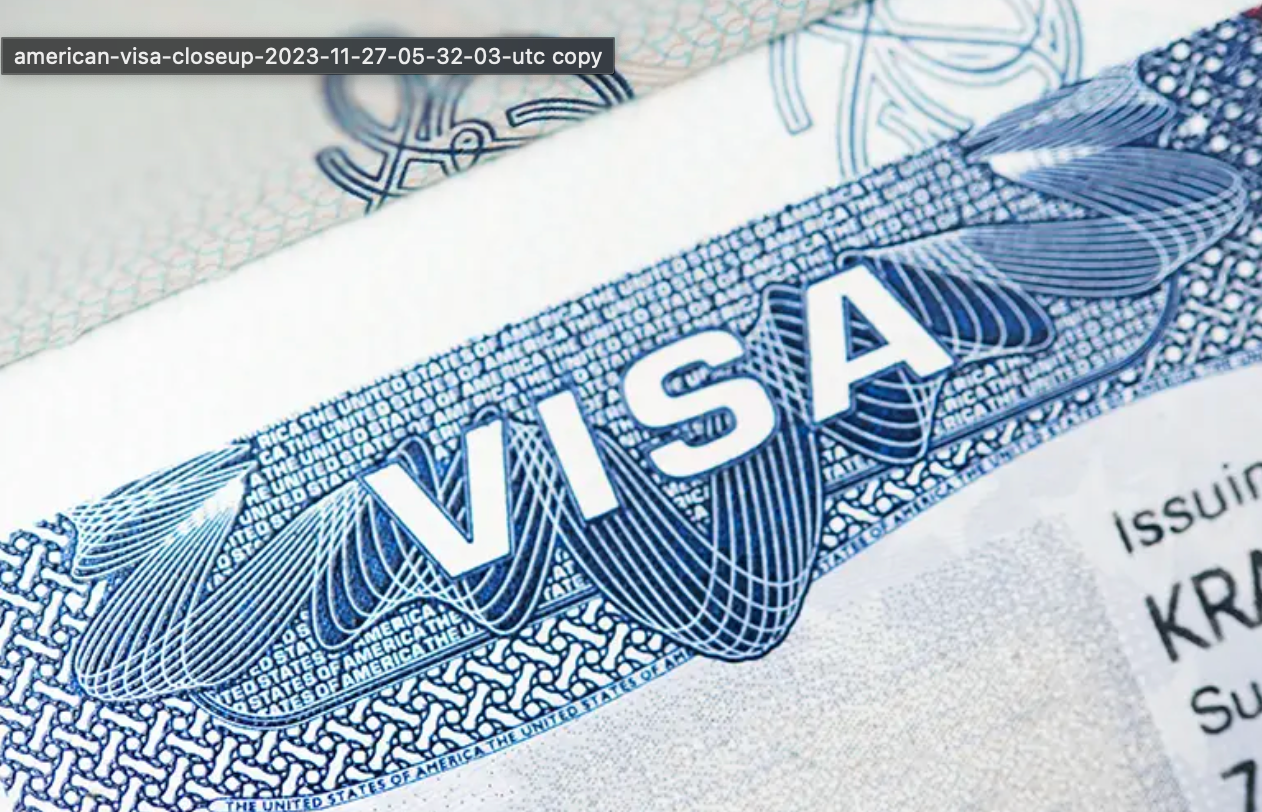
Your approved visa will be affixed to your passport, either as a physical sticker or, increasingly, as a digital entry in the immigration database. Before traveling, verify that your visa information appears correctly in the official database. You should also make digital copies of your visa approval, your passport information page, and any other travel documents in multiple formats and locations.
United States Customs and Border Protection (CBP) operates an advanced digital system for processing arrivals. Before entering the United States by air, you’ll need to complete the Electronic System for Travel Authorization (ESTA) if applicable to your visa type, or simply present your visa and passport at the port of entry. Familiarize yourself with what to expect at the border by reviewing the CBP website and understanding the digital systems you’ll encounter.
After you arrive in the United States, maintain digital records of your arrival, including your departure card (I-94), your admission status, and your authorized period of stay. These documents are now almost entirely digital and can be accessed through the CBP website. Keep accurate records of your movements within the United States and any changes to your status, as these will be stored in the immigration database and could affect future travel or immigration applications.
Conclusion
Securing a US visa requires preparation, honesty, and a solid understanding of the digital application process. By using secure web practices, protecting your data, and utilizing online tracking tools, you can navigate the bureaucratic maze with the confidence of a true tech-savvy traveler.