









Ezyplugion.com – The debate between Samsung and iPhone (Android vs. iOS) is the biggest rivalry in the tech world. Every year, both companies release stunning flagship devices packed with cutting-edge technology. For consumers, deciding which ecosystem to invest in can be overwhelming.
This comprehensive Samsung vs iPhone comparison guide will help you navigate the key differences between these two dominant mobile platforms.
Whether you are looking to upgrade your current phone or completely switch sides, this comprehensive guide will break down the key differences and provide tech tips to help you make the smartest choice.
1. Customization vs. Simplicity
The most noticeable difference between a Samsung Galaxy and an Apple iPhone lies in the operating system and user experience.
- Samsung (Android – One UI): The Tinkerer’s Dream. Samsung offers unparalleled customization. You can change everything from the home screen launcher and icon packs to the system font. Features like “Split Screen” and “Pop-up View” make it a powerhouse for multitasking.
- iPhone (iOS): The Smooth and Simple Approach. Apple prioritizes a clean, intuitive, and uniform experience. While iOS has introduced more customization recently (like lock screen widgets), it remains more locked-down than Android. However, this strict control results in a highly optimized, lag-free, and incredibly reliable user experience.
2. The Ecosystem Effect
When you buy a smartphone today, you aren’t just buying a phone; you are buying into an ecosystem.
- The Apple “Walled Garden”: Apple’s ecosystem is legendary for its seamless integration. Features like AirDrop (sharing files instantly), Universal Clipboard (copy on iPhone, paste on Mac), and the unmatched integration with the Apple Watch and AirPods make leaving the Apple ecosystem very difficult once you are in it.
- The Samsung Galaxy Ecosystem: Samsung has rapidly closed this gap. Galaxy Buds and Galaxy Watches pair instantly with Samsung phones. Furthermore, Samsung’s “Link to Windows” feature provides incredibly tight integration with Windows PCs, allowing you to run Android apps and answer calls directly from your computer.
3. Hardware Innovation vs. Refinement
How do these two giants approach hardware design and features?
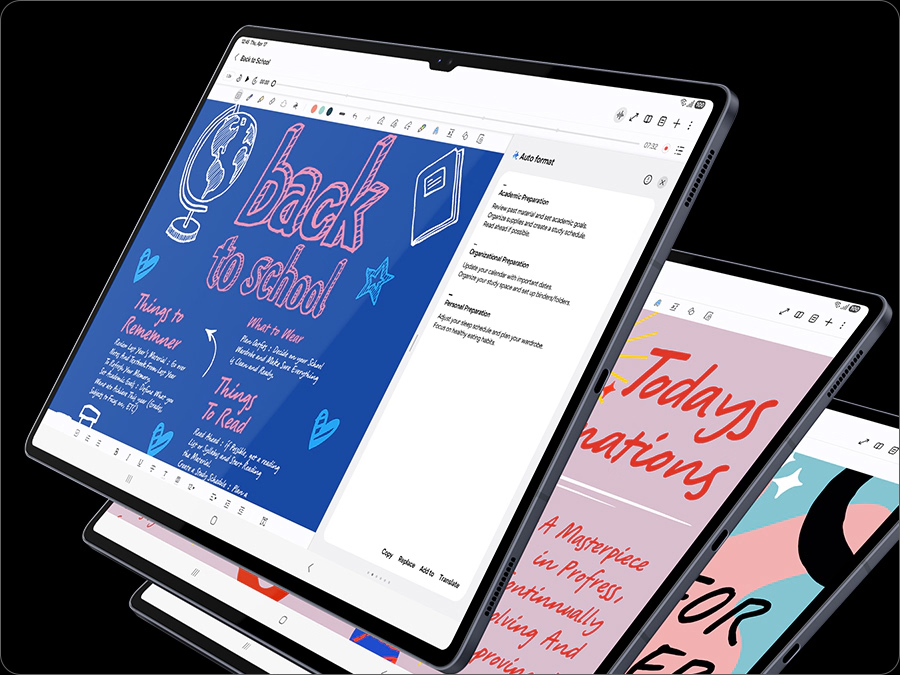
- Samsung: Pushing the Boundaries. Samsung is known for taking risks and bringing futuristic tech to the mainstream. They lead the market in foldable phones (like the Galaxy Z Fold and Z Flip). They also offer the S Pen stylus for productivity and boast insane camera capabilities, such as the 100x Space Zoom on their Ultra models.
- iPhone: Polished Perfection. Apple rarely implements a feature first, but when they do, it is highly refined. iPhones are universally praised for having the best video recording quality in the industry, industry-leading processors (the A-series chips), and premium, consistent build quality.
4. Software Updates and Longevity
A major factor in smartphone buying is how long the device will last before becoming obsolete.
- iPhone’s Historic Lead: Historically, Apple has been the undisputed king of longevity, often providing major iOS updates to iPhones for 5 to 7 years.
- Samsung’s Massive Catch-Up: Recently, Samsung revolutionized the Android space by promising up to 7 years of OS and security updates for their flagship Galaxy S series, matching Apple’s impressive lifespan and making their phones excellent long-term investments.
Tech Tips for Making Your Decision
Still undecided? Use these quick tips to guide your purchase:
- Check Your Current Tech: If you already own a MacBook or an iPad, buying an iPhone is the logical choice. If you are a hardcore Windows PC user, a Samsung device will integrate much better.
- Identify Your Priority: If you want a phone that “just works” flawlessly for social media and video recording, go iPhone. If you want cutting-edge features (like folding screens), a stylus, and total control over your device’s software, go Samsung.
- Consider Resale Value: Generally, iPhones retain their monetary value longer and have a more robust second-hand market compared to most Android devices.
Conclusion
The truth is, there is no objective “winner” in the Samsung vs. iPhone battle. Both companies make phenomenal, high-end devices. Your choice ultimately comes down to your personal workflow, how much you value customization versus simplicity, and which ecosystem your other devices belong to.