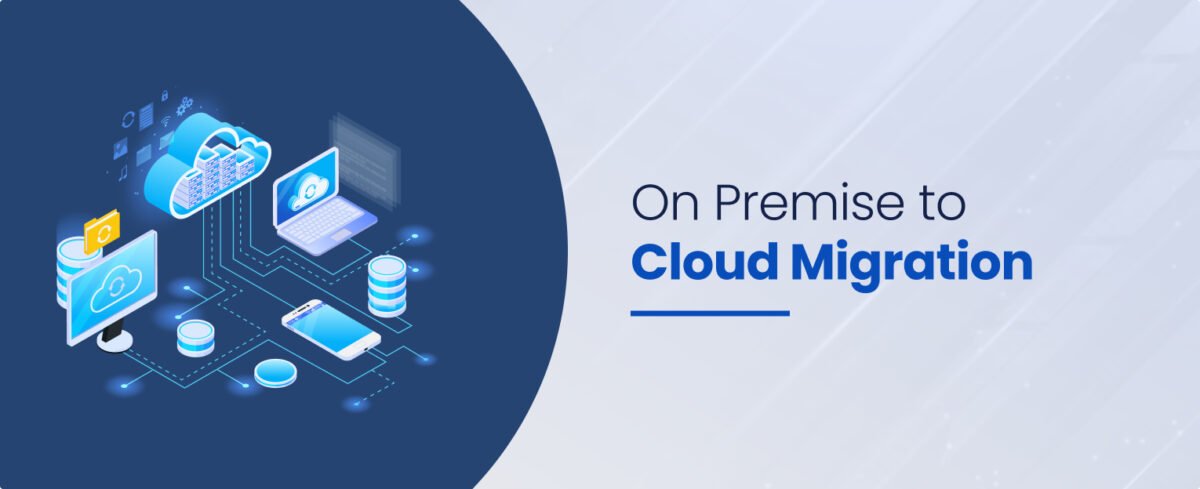
More and more companies are beginning to shift their reliance on the public cloud and toward on-premises or platform-neutral vendor solutions. This trend is not just about cost, but also concerns about performance, and long-term control over IT infrastructure.
In an interview with Ignacio M. Llorente, Managing Director of OpenNebula Systems, it was revealed that this migration actually opens up a significant opportunity for organizations to comprehensively modernize their systems.
Capability Ports Are Key
One of the biggest challenges in migration is ensuring applications and data can be easily moved between environments. According to Llorente, the key is avoiding dependencies on specific vendors.
Applications that are too tied to specific services will be difficult to migrate. Therefore, the use of open standards, common APIs, and flexible architectures is crucial.
With this approach, workloads such as virtual machines and containers can be moved or replicated without requiring major changes. This means organizations have complete control over where applications run, not the other way around.
Reduce Technical Debt and Increase Resilience
Migration also provides an opportunity to address technical debt that has accumulated due to the use of legacy technology or proprietary services.
By switching to a vendor-neutral platform, companies can:
- Standardize operations
- Consolidate infrastructure
- Improve
The result is a system that is easier to manage, more stable, and more resilient to disruptions.
Better Performance and Lower Latency
Another advantage of this approach is improved application performance. Workloads can be placed closer to users or data sources, reducing latency.
A hybrid model is an ideal solution. Some systems can run in on-premises data centers or edge computing, while additional capacity needs can still utilize the public cloud.
This approach provides a critical moment in determining the best location for each workload.
Cultural Change, Not Just Technology
Moving from the public cloud to self-managed infrastructure does require a change in the way we work. IT teams need to take over some responsibilities such as capacity planning and monitoring systems.
However, this change is more of a mindset than a major training requirement. With the right platform support, organizations can still achieve a cloud-like experience even while using their own infrastructure.
Measuring Migration Success
Migration success isn’t just measured by cost savings. Other more important indicators include:
- Speed of new service provisioning
- Improved application performance
- System stability and resilience
- Reduced reliance on a single vendor
If teams can work faster and systems run more efficiently, then the migration can be considered successful in the long term.
Migrating from the public cloud to an on-premises or platform-neutral vendor is not just a trend, but a strategy for building a more flexible and sustainable infrastructure.
With the right approach, organizations not only save costs but also gain greater control, improved performance, and readiness for future technology needs.