















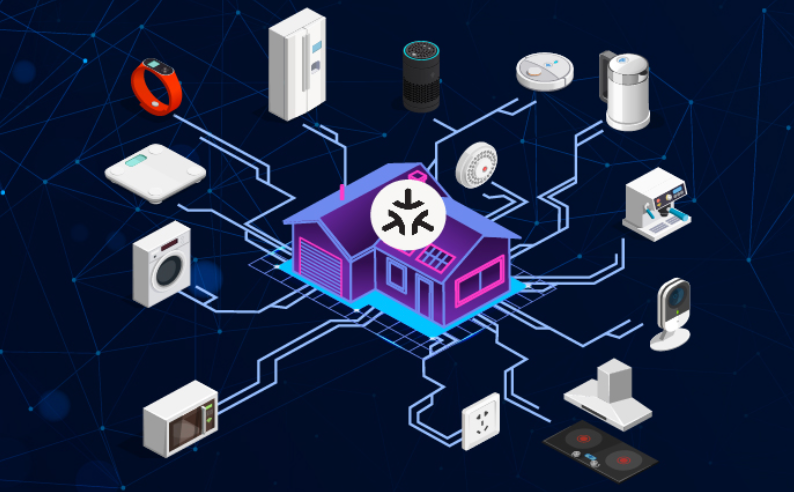
Ezyplugion.com – The Internet of Things (IoT) is no longer a futuristic concept—it is the reality of our modern digital ecosystem. From smart thermostats and voice assistants to interconnected factory machines and wearable health monitors, The Future of IoT is advancing at a staggering pace. Billions of devices are now collecting, sharing, and analyzing data to make our lives more convenient and efficient. As a programmer or tech enthusiast, understanding how to manage this connectivity is crucial.
1. Secure Your Central Hub: The Wi-Fi Router
Your Wi-Fi router is the front door to your entire ecosystem. In the context of The Future of IoT, a breached router means every connected device in your home is compromised.
- Change Default Credentials: Never leave your router’s default username and password (e.g., “admin” and “password”). Change it to a strong, unique passphrase immediately.
- Create a Dedicated IoT Network: Most modern routers allow you to set up a “Guest Network”. Connect all your smart TVs, smart plugs, and cameras to this secondary network.
- Network Isolation: If an IoT device gets hacked, the attacker won’t have access to your primary network where your personal laptop and banking data reside.
2. Prioritize Firmware Updates for Longevity
Unlike smartphones that constantly remind you to update, many devices in The Future of IoT silently run on outdated software. Outdated firmware is a goldmine for cybercriminals.
- Turn on Auto-Updates: During the initial setup of any smart home device, dive into the companion app’s settings and enable automatic firmware updates.
- Patching Vulnerabilities: Hackers actively look for exploits in older software. Regular updates ensure your devices have the latest security patches to defend against new cyber threats.
- Manual Checks: For older devices that don’t support auto-updates, set a quarterly reminder to check the manufacturer’s website for the latest version.
3. Look for the “Matter” Connectivity Standard
One of the biggest frustrations in The Future of IoT development has been a lack of interoperability—meaning an Apple smart bulb might not work with an Amazon Alexa speaker.
- The Matter Revolution: The tech industry recently introduced Matter, a universal smart home connectivity standard backed by Apple, Google, Amazon, and Samsung.
- Buying Tip: When shopping for new gadgets, always look for the Matter logo on the box. This guarantees the device will seamlessly integrate into your existing smart home setup, regardless of which voice assistant you prefer.
- Future-Proofing: Using Matter-certified devices ensures that your smart home remains functional even if you switch ecosystems (e.g., moving from Google Home to Apple HomeKit).
4. Audit Device Permissions and Privacy Policies
IoT devices are essentially data-collection machines. They know when you are home, what you say, and even what you keep in your fridge. To protect your privacy in The Future of IoT, you must be proactive.
- Limit Microphone and Camera Access: Regularly audit the permissions granted to your IoT companion apps and revoke any access that isn’t strictly necessary for the device to function.
- Opt-Out of Data Sharing: Dive into the privacy settings of your smart devices and opt-out of sharing your usage data with third-party advertisers whenever possible.
- Read the Fine Print: Before buying a new device, check if the manufacturer has a history of data breaches or if their privacy policy allows selling user habits to data brokers.
5. Beware of “Zombie” IoT Devices
As technology advances quickly, older devices are frequently abandoned by their manufacturers. In The Future of IoT, these “Zombie” devices represent a massive security hole.
- The End-of-Life Risk: Once a manufacturer stops supporting a device, it will no longer receive security updates, turning it into a vulnerable point on your network.
- Recycle Old Tech: If you have a first-generation smart camera or a cheap smart plug that hasn’t received an update in three years, it is safer to disconnect it, recycle it, and upgrade to a modern, supported device.
- Sustainability: Upgrading to newer, more efficient devices can also reduce the energy footprint of your smart home.
Conclusion: Staying Smart and Secure
The rapid development of the Internet of Things is undeniably exciting, bringing unprecedented automation and convenience to our fingertips. By treating your network security seriously, embracing the new Matter standard, and actively managing your data privacy, you can fully enjoy the benefits of a connected smart home without compromising your digital safety. This level of control is also a great way to make money online 2026 by building or managing secure IoT networks for clients. Stay smart, and stay secure!