


















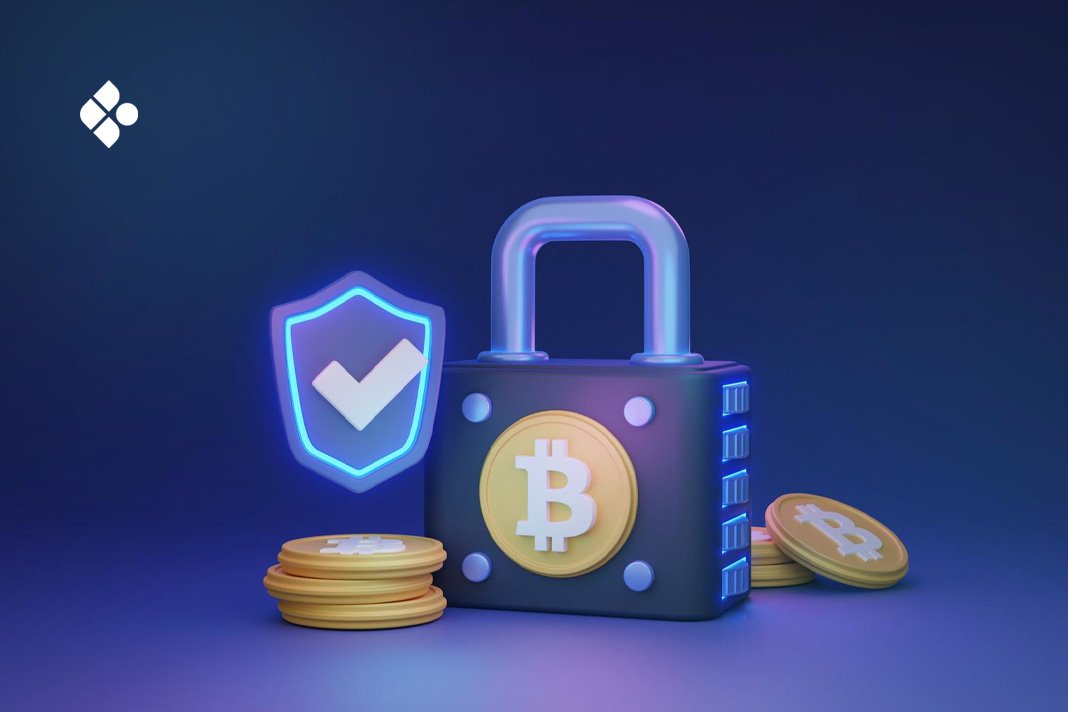
Ezyplugion.com – The world of cryptocurrency offers incredible opportunities for financial growth and innovation. However, with decentralization comes great responsibility. Unlike a traditional bank account, if you lose access to your crypto wallet or fall victim to a scam, there is often no “undo” button or customer support to help you recover your funds.
To help you navigate the “Cryptoverse” safely, we’ve put together the most essential tips and tricks for securing your Bitcoin and other digital assets.
1. Choose the Right Wallet: Hot vs. Cold Storage
The most fundamental decision you’ll make is where to store your private keys.
- Hot Wallets (Software): These are connected to the internet (apps, browser extensions). They are convenient for frequent trading but more vulnerable to hacks. Use these only for small amounts or daily transactions.
- Cold Wallets (Hardware): These are physical devices (like Ledger or Trezor) that keep your keys offline. This is the gold standard for long-term storage and large amounts of Bitcoin.
- Pro Tip: Never leave a large amount of crypto on an exchange. Use exchanges only for buying and selling, then move your assets to a wallet you control.
2. Guard Your Seed Phrase Like Your Life Depends on It
When you set up a non-custodial wallet, you are given a 12 or 24-word seed phrase (recovery phrase). This phrase is the master key to your funds.
- Never Store It Digitally: Do not take a screenshot, save it in a text file, or email it to yourself. If your device is compromised, hackers can find it instantly.
- Write It Down Offline: Write your seed phrase on a physical piece of paper or engrave it on a metal plate. Store it in a fireproof and waterproof safe.
- The Golden Rule: Anyone who has your seed phrase has your money. Never share it with anyone, not even someone claiming to be “official support.”
3. Enable Hardware-Based Two-Factor Authentication (2FA)
Standard passwords are no longer enough. You must add a second layer of security to your exchange accounts.
- Avoid SMS 2FA: Hackers can use “SIM swapping” to intercept your text messages.
- Use Authenticator Apps: Apps like Google Authenticator or Authy generate codes locally on your device, which is much safer than SMS.
- Upgrade to Security Keys: For maximum security, use physical keys like a YubiKey. These require you to physically touch the device to authorize a login, making remote hacking nearly impossible.
4. Beware of Phishing and “Too Good to Be True” Offers
The crypto space is filled with clever scams designed to trick you out of your assets.
- Check the URL: Always double-check that you are on the official website before entering your login details. Bookmark your favorite exchanges and wallets to avoid “copycat” sites.
- Ignore DMs: If someone sends you a direct message on Telegram, Discord, or X (Twitter) offering a “guaranteed return” or “doubling your Bitcoin,” it is 100% a scam.
- Verification: Legitimate projects will never ask you for your private key or seed phrase to “verify” your account.
5. Use a Dedicated Device for Crypto
If you are a serious investor, consider using a dedicated laptop or tablet solely for your crypto transactions.
- Minimize Risk: Avoid browsing the general web, downloading pirated software, or clicking on random ads on your “crypto machine.” This significantly reduces the risk of malware or “keyloggers” stealing your information.
- Update Regularly: Keep your operating system and wallet software updated to the latest version to patch any security vulnerabilities.
Conclusion
The volatility of the crypto market is often discussed, but the “security volatility” is just as important. By taking control of your private keys, using cold storage, and staying vigilant against phishing, you can enjoy the benefits of Bitcoin with peace of mind. Remember: Not your keys, not your coins.