














Android app development continues to evolve rapidly, with new technologies and frameworks emerging every year. As we move through 2026, developers must stay updated with the latest trends to create competitive and innovative applications.
Kotlin Multiplatform dominates: Kotlin has solidified its position as the preferred language for Android development. Kotlin Multiplatform allows developers to share code across Android, iOS, and web platforms, significantly reducing development time and costs while maintaining native performance.
Jetpack Compose maturity: Google’s declarative UI toolkit Jetpack Compose has reached full maturity. Developers are adopting it rapidly for its intuitive approach to building responsive interfaces with less boilerplate code. The ecosystem around Compose continues expanding with third-party libraries and tools.
AI and Machine Learning integration: Modern Android apps increasingly incorporate AI features like personalized recommendations, voice assistants, and image recognition. Google’s ML Kit and TensorFlow Lite make it easier to implement sophisticated machine learning capabilities directly on devices.
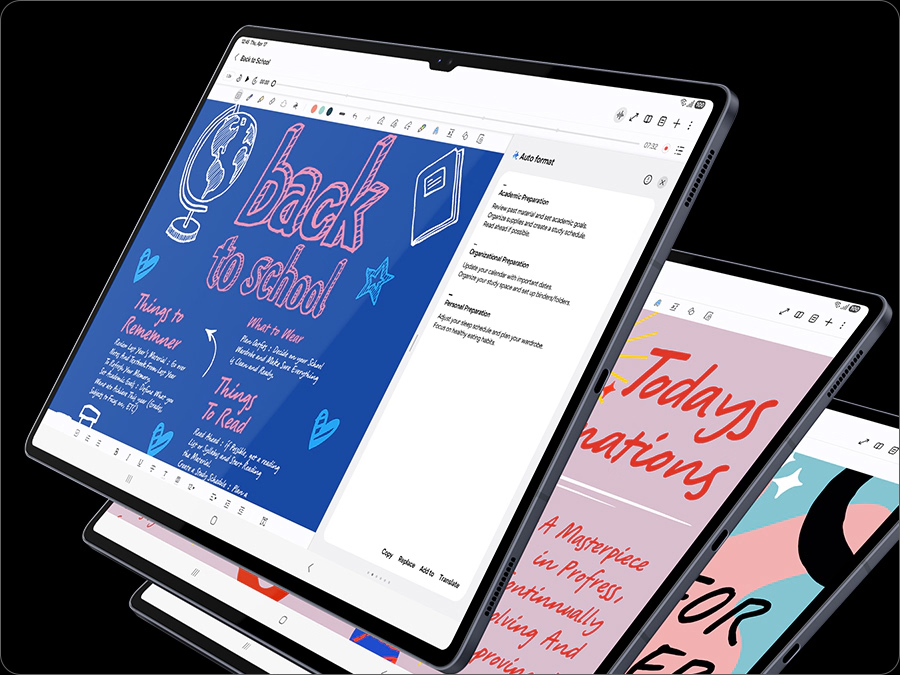
Foldable and flexible displays: With more manufacturers releasing foldable devices, developers must optimize apps for various screen sizes and configurations. Responsive design has become essential, ensuring apps adapt seamlessly to different form factors.
5G optimization: The widespread availability of 5G networks enables new possibilities for real-time applications, AR/VR experiences, and cloud gaming. Developers are creating apps that leverage higher bandwidth and lower latency to deliver enhanced user experiences.
Privacy-first development: Following global privacy regulations, Android developers prioritize data protection and transparent permission management. Apps that respect user privacy and minimize data collection gain competitive advantages in app stores.
Instant apps and modules: Google’s instant apps technology allows users to experience app functionality without full installation. Dynamic feature modules enable on-demand delivery of app features, reducing initial download sizes.
Staying current with these trends ensures developers create relevant, high-quality Android applications.